Case Study: A Successful Community Service Initiative in Munich


Introduction
Community service initiatives play a crucial role in enhancing the quality of life within a city. In Munich, one particular initiative has stood out for its exceptional impact and innovative approach. This case study explores how this initiative successfully engaged the community, addressed local issues, and fostered a sense of belonging among residents.
Background of the Initiative
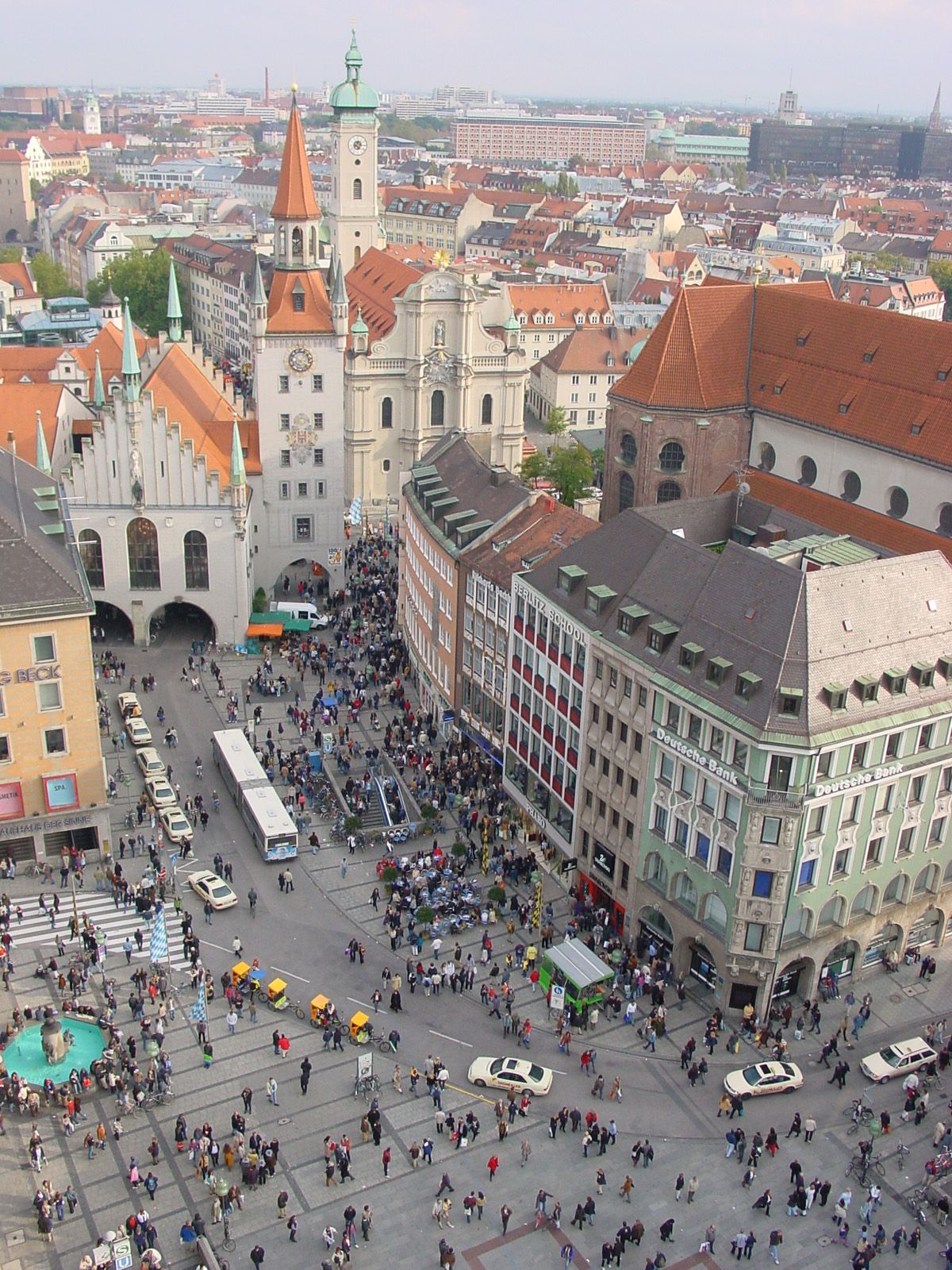
Launched in early 2022, the initiative aimed to tackle urban isolation by creating communal spaces and activities for residents. The primary focus was on integrating diverse groups within the city, including immigrants, senior citizens, and young professionals. By bringing people together, the project sought to build stronger neighborhood connections and reduce social barriers.
Objectives and Goals
The initiative set clear objectives that included:
- Creating inclusive events and workshops.
- Developing sustainable community spaces.
- Encouraging volunteerism and local leadership.
These goals were designed to foster an environment where everyone could contribute and benefit, enhancing the overall quality of life in Munich.

Implementation and Strategy
The strategy involved a collaborative approach, partnering with local businesses, non-profits, and municipal authorities. By leveraging these partnerships, the initiative was able to access resources and expertise that ensured its success. A series of workshops and events were organized in various neighborhoods, each tailored to the unique needs and interests of the local community.
Community Engagement
Engaging the community was at the heart of the initiative. Regular town hall meetings allowed residents to voice their ideas and concerns, ensuring that the activities were relevant and impactful. This participatory approach not only increased engagement but also empowered individuals to take ownership of their community.

Outcomes and Impact
The initiative has reported significant positive outcomes. Over 1,000 residents participated in various activities, leading to a noticeable reduction in social isolation. The increased interaction among diverse groups has fostered a sense of unity and cooperation in the city. Additionally, the creation of communal spaces has provided lasting benefits, serving as hubs for ongoing community activities.
Challenges and Lessons Learned
While the initiative was successful, it faced challenges such as securing consistent funding and managing diverse community expectations. However, these challenges provided valuable lessons. Flexibility and adaptability were crucial, along with maintaining open communication channels with stakeholders.

Conclusion
Munich's community service initiative serves as a model for other cities looking to enhance urban living through community engagement. By focusing on inclusivity, collaboration, and sustainability, the initiative not only addressed immediate social issues but also laid the groundwork for a more connected and vibrant community. As cities continue to grow and evolve, such initiatives will be essential in creating harmonious urban environments.