Volunteering in Germany: Myths and Facts


Understanding Volunteering in Germany
Volunteering in Germany is a rewarding experience that offers a chance to immerse oneself in the culture while contributing to society. However, several myths often cloud the true essence of volunteering in this vibrant country. In this post, we will debunk common misconceptions and provide factual insights into the world of volunteering in Germany.
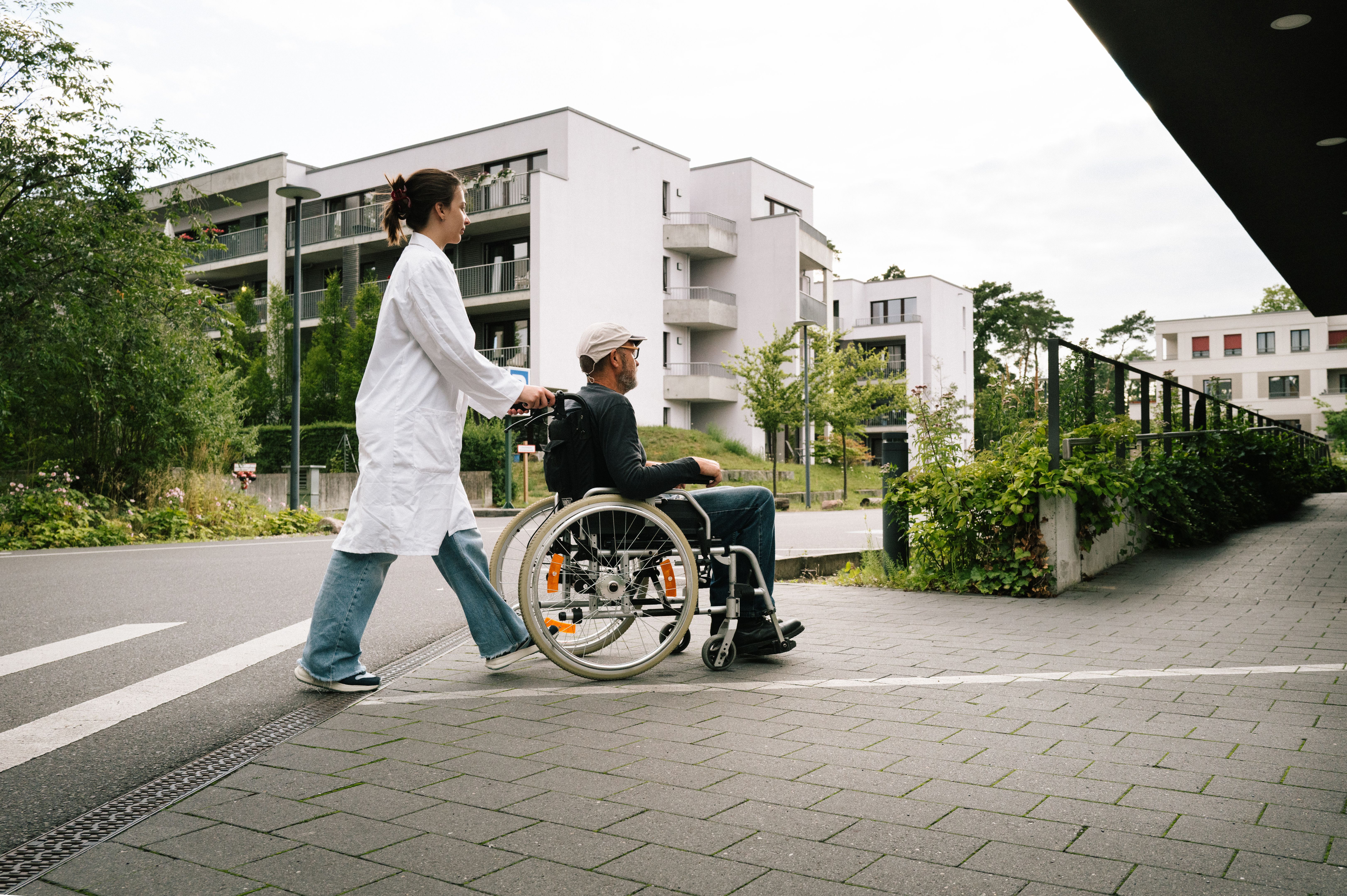
Myth: Volunteering is Only for Locals
One prevalent myth is that volunteering opportunities in Germany are exclusively reserved for locals. In reality, Germany warmly welcomes international volunteers. Programs like the European Voluntary Service (EVS) and various Non-Governmental Organizations (NGOs) actively seek participants from all over the world. Volunteering is a fantastic way for foreigners to learn about German culture and improve their language skills.
Fact: Language is Not Always a Barrier
Contrary to popular belief, not all volunteering opportunities in Germany require fluency in German. Many organizations provide roles where English is sufficient, especially in international settings or larger cities. However, learning some basic German can enhance the experience and help in daily interactions.
Opportunities and Requirements
Germany offers a wide range of volunteering opportunities, from environmental conservation and social work to cultural projects and education. The requirements for volunteers can vary depending on the organization and the nature of the project. Some may require a background check or specific skills, while others welcome anyone willing to help.
Myth: Volunteering is Unpaid Labor
While volunteering is indeed unpaid, it is far from being a form of free labor. Volunteers are often provided with benefits such as accommodation, meals, and a small stipend to cover personal expenses. These provisions ensure that volunteers can focus on their work without financial strain.

Fact: Volunteering is a Two-Way Street
Volunteering in Germany is mutually beneficial. Volunteers gain valuable experience, develop new skills, and expand their networks. At the same time, they contribute significantly to the communities they serve, whether by supporting local initiatives or fostering intercultural exchange.
The Impact of Volunteering
The impact of volunteering extends beyond the individual. It fosters community spirit, aids in cultural preservation, and addresses social issues. Volunteers play a crucial role in bridging gaps and nurturing a more inclusive society.
Myth: Volunteering is Only for the Young
Another myth is that volunteering is primarily for young people or students. While many young individuals participate, volunteering in Germany is open to all age groups. Many retirees and professionals also engage in volunteer work, bringing a wealth of experience and knowledge to their roles.

In conclusion, volunteering in Germany is a fulfilling endeavor that offers numerous benefits and opportunities for personal growth. By understanding the myths and facts, prospective volunteers can better prepare for a rewarding experience that leaves a lasting impact on both themselves and the communities they serve.